Post-ablation telemonitoring with GVM Care & Research at Maria Cecilia Hospital
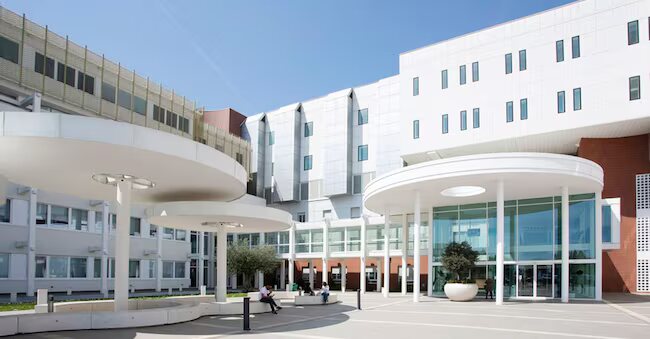
Forty patients discharged after atrial ablation were followed for twelve weeks at home, first with a wireless rhythm sensor and then on the Cardiolyse platform with a Beurer handheld ECG device. The arrhythmology and electrophysiology team of GVM Care & Research assessed whether the workflow was clinically usable, and patients were asked how it felt to be monitored from home.
The clinical question
After an atrial ablation, the weeks that follow discharge are the period in which recurrence is most likely and least visible. The patient is at home, the hospital has no rhythm data, and the next contact is usually a scheduled outpatient visit. The arrhythmology and electrophysiology unit at Maria Cecilia Hospital in Cotignola (Ravenna, Italy), part of GVM Care & Research, wanted to test whether structured remote follow-up could close that gap without adding unmanageable work to the unit.
How the protocol worked
A clinical protocol was drafted and validated by the hospital’s clinical staff for a selected group of 40 discharged patients. Monitoring ran for twelve weeks in two stages: a wireless heart-rhythm sensor for atrial fibrillation detection in the opening phase, followed by ten weeks of daily ECG recordings taken at home on a Beurer handheld ECG device, paired with the Cardiolyse platform.
Cardiolyse supplied the analytics layer: recordings from the Beurer device arrived through the patient application, were processed automatically, and were presented to the clinical team through a web dashboard with reporting and report-editing tools. The platform and its patient application were localised into Italian for the pilot, and the dashboard was customised to the unit’s way of working before recruitment started.
The clinical team
The project was led by Dr Saverio Iacopino, Coordinator of Clinical Arrhythmology and Electrophysiology at GVM Care & Research, with Dr Jacopo Colella as team lead cardiologist and biomedical engineers Damiano Camastra and Gianluca Peluso. Feedback was gathered in two stages: in-depth interviews with the staff actively involved, followed by a structured questionnaire.
What the clinicians reported
The clinical team gave positive feedback on the telemonitoring experience across the board. They particularly valued the Beurer handheld device and the ability to consolidate data from several different devices in one place on the Cardiolyse platform. The medical-side interface, ease of use for patients and the platform’s potential role in preventing acute events and re-hospitalisation were all rated positively, and the remote monitoring met the team’s expectations.
Asked to compare, the team rated Cardiolyse’s analytics and reporting capability above that of the standalone rhythm sensor used in the first phase. Every respondent said full integration between the two monitoring platforms was desirable, and every respondent said the same about integration with the hospital information systems — which is the direction the pilot was designed to probe.
On the scientific side, the team noted a clear performance improvement over traditional Holter workflow, with a low false-positive rate and false positives that were easily recognisable and identifiable. Reducing them further, and classifying arrhythmic episodes by type, were named as the priority development areas.
What the patients reported
The 39 patients who completed the full monitoring protocol gave positive feedback too. They found the Beurer device functional, practical and comfortable, and the Cardiolyse application functional and appealing in use. Patients reported feeling safe and monitored during the programme, and said it improved their overall experience as a patient.
The clearest sign of perceived value: most patients said they would be willing to pay out of pocket for the remote monitoring service.
What we changed as a result
The pilot generated a specific improvement list, and it shaped the platform roadmap directly:
- Arrhythmia burden. The team asked for explicit burden reporting — for example the total monthly percentage of time in atrial fibrillation, derived from daily recordings. We committed to building it.
- Data extrapolation. Filtering and exporting cohort data by arrhythmia type, time interval, age group or condition, with the accompanying graphs.
- Clinical context on the platform. Anamnestic and clinical history fields, plus a “reason for monitoring” classification to cluster patients by common traits.
- Patient-side discretion. Clinicians advised against showing every algorithmic result to patients, since it can cause anxiety. Patient-app visibility is fully configurable, and suppressing results entirely was already supported.
- Connectivity for older users. Bluetooth pairing needed to be easier for elderly patients, and the application needed clearer instructions on taking a clean recording — including the reminder that wet hands prevent a valid measurement.
- Flexible recording duration. Tailoring recording length per patient, from 30 seconds to one or two minutes, according to condition and clinical indication.
Why it matters
This pilot is the kind of evidence we value most: a real arrhythmology unit, a real post-discharge pathway, and honest feedback rather than a demo. It confirmed that device-agnostic ECG analytics can sit inside an existing hospital follow-up workflow, that clinicians see the prevention value, and that patients accept — and would pay for — being monitored at home. It also told us plainly where the platform had to improve, which is why burden reporting, cohort data export and richer patient context became build priorities.
References
- Qualitative pilot evaluation report, Maria Cecilia Hospital — GVM Care & Research, April 2022 (internal document, not publicly available).
- Maria Cecilia Hospital, Cotignola (RA)
- GVM Care & Research