CRANE: pre-commercial procurement for remote chronic care
CRANE was a European H2020 pre-commercial procurement that set out to develop an integrated self-management model to improve chronic patients’ wellbeing through the European Health Data Space concept. Cardiolyse participated through the consortium that ran the field test with the DATA for GOOD Foundation.
What CRANE was
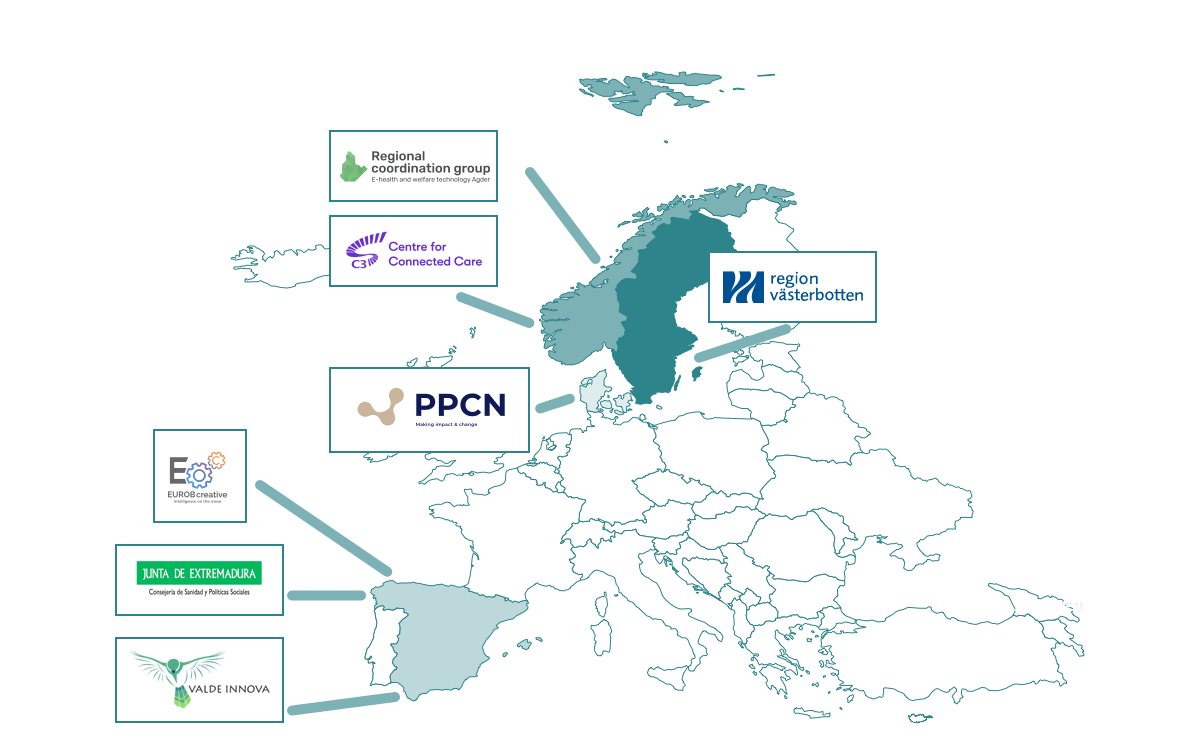
CRANE used the potential of health-related data to procure the design of an all-in-one, value-based service, creating an integrated care model that improved the wellbeing of chronic patients through implementation of the European Health Data Space concept. Three buyer public health organisations, supported by four expert entities, oversaw its execution.
The programme was aimed at patients with chronic conditions and people at risk of developing them, with an explicit focus on rural areas — so that chronic patients far from a hospital still had access to self-management that improved their wellbeing.
What Cardiolyse brought to the consortium
Cardiolyse contributed the heart-health screening analytics to the consortium. The aim was to give rural populations — people living far from a cardiologist or hospital — a reliable heart check without leaving home.
- Home-use ECG device. Participants recorded their ECG at home on a Beurer device, with no clinic visit needed to capture the signal.
- Automated screening analytics. Each recording was processed by Cardiolyse’s CE-marked analytics, turning a short home measurement into a structured heart-health result.
- Three countries. The analytics ran across the field test in three countries, supporting the programme’s aim of equal access to self-management in rural areas.
The field test
In the field-testing phase, participants across EU regions tried the solution at home rather than in a clinic. Test persons were recruited through their regional municipality, and the test period ran from May 2025 to February 2026.
Each participant attended an introductory session in their municipality, received equipment and training, then ran a monitoring period at home, recording measurements in an app with in-app guidance and a named contact person in the municipality. A second session collected their experience, followed by a further period testing updates to the solution. Usability and communication studies ran alongside both sessions.
Depending on their condition, participants received a package for measuring blood pressure, blood glucose, blood oxygen, weight or activity — the first package being recommended for patients with type 1 diabetes, cardiovascular disease, high blood pressure and other citizens. Participants kept the equipment afterwards.
Data protection in the programme
- Participants decided by consent who their health data was shared with, and no one got access without it
- Data was stored securely in line with the GDPR and processed without names or other directly identifying information
- Results were disseminated through reports, conferences and publications in aggregated form only
- Consent could be withdrawn at any time
Sources